Rubber Roof Cleaning in Vancouver, WA
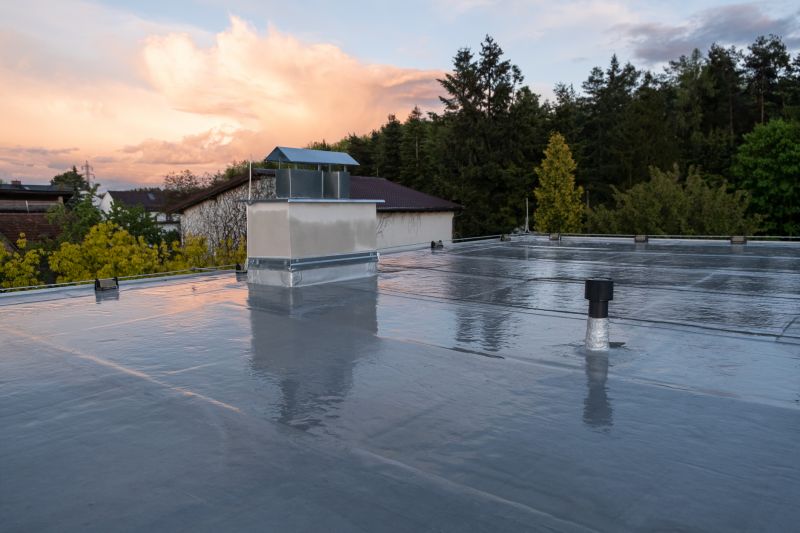
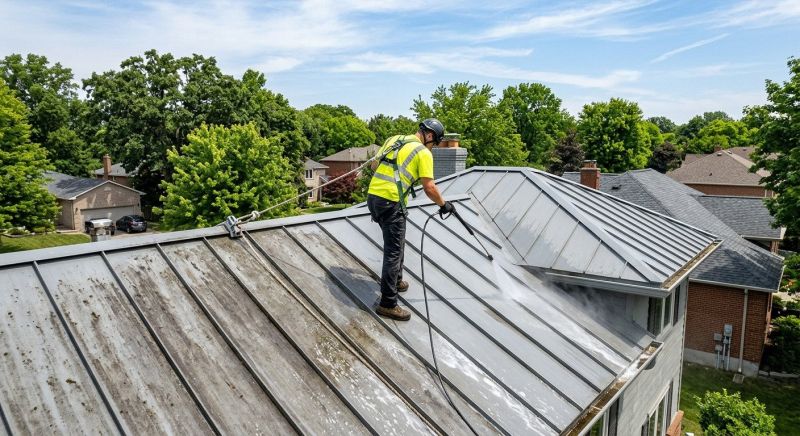
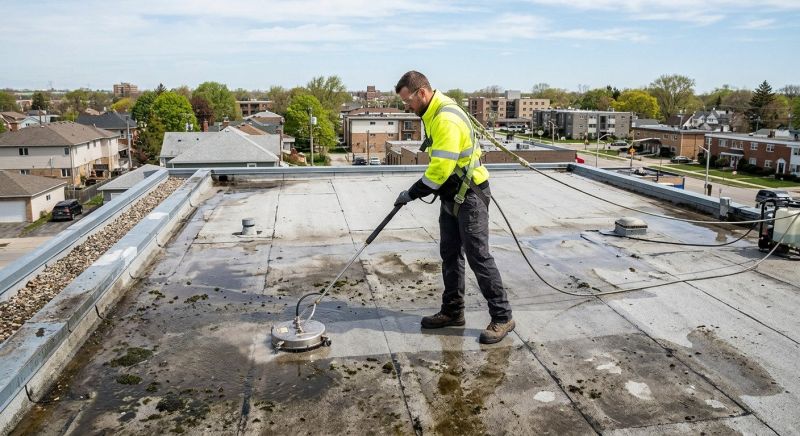
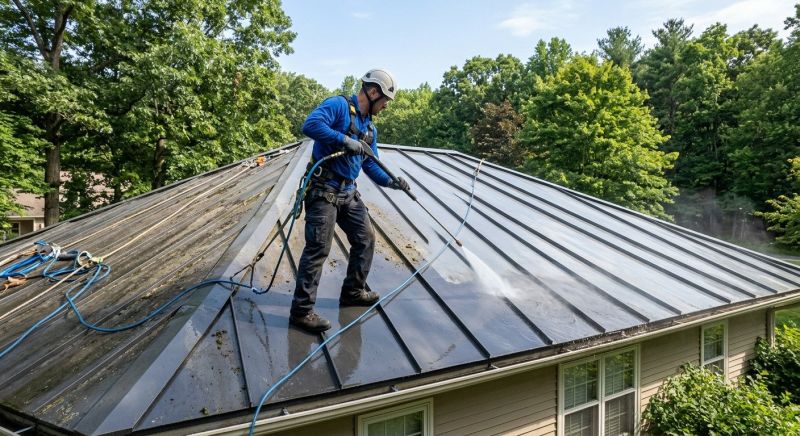
Rubber roof cleaning services involve the removal of dirt, algae, moss, and other debris from rubber roofing surfaces to maintain their appearance and functionality. This service is suitable for various types of rubber roofs commonly found on residential properties, including flat and low-slope roofs. Property owners typically request rubber roof cleaning to prevent the buildup of harmful growths that can cause damage over time, improve curb appeal, and extend the lifespan of the roofing material.
Before requesting rubber roof cleaning, homeowners should consider the current condition of their roof, including any signs of mold, algae, or accumulated debris. It is also important to understand the specific cleaning methods used and whether any protective treatments are recommended afterward. Proper inspection prior to cleaning can help identify areas that may require repairs or additional maintenance, ensuring the roof remains in good condition after the service is completed.
Many property owners in Vancouver, WA look into Rubber Roof Cleaning for repairs, replacements, upgrades, and appearance-related improvements.
Benefits Of Rubber Roof Cleaning
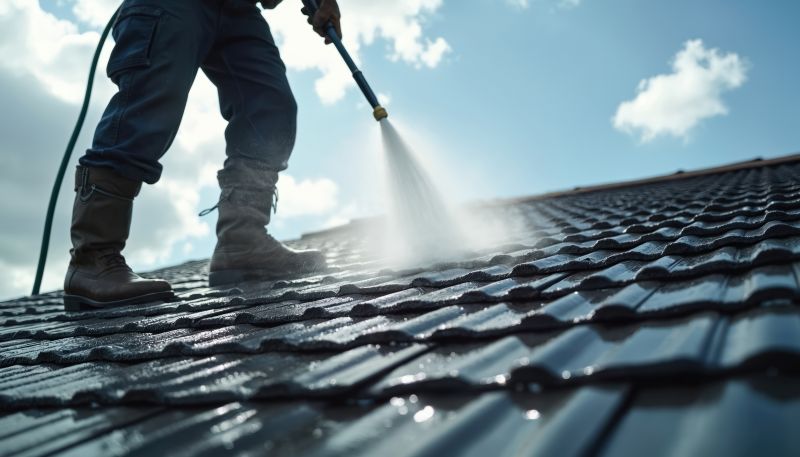
Regular cleaning helps extend the lifespan of rubber roofing systems and maintains their appearance.
Common Rubber Roof Issues
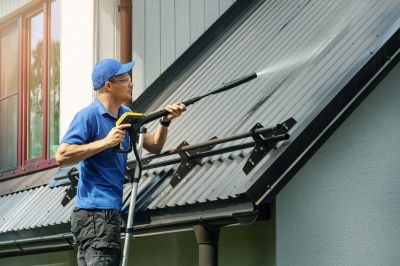
Algae, moss, and debris buildup can cause damage and reduce the effectiveness of rubber roofs.
Maintenance Tips For Rubber Roofs
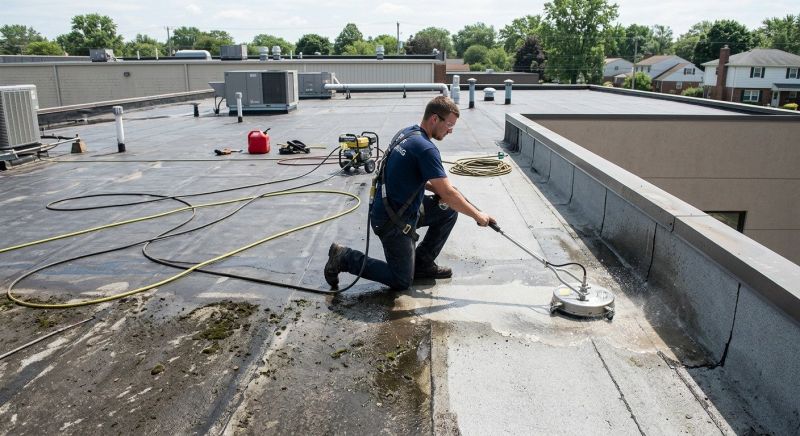
Periodic cleaning and inspections can prevent costly repairs and keep roofs in top condition for vancouver homeowners.
Rubber Roof Cleaning in Vancouver, WA
Rubber roof cleaning services involve the removal of dirt, algae, moss, and other debris from rubber roofing surfaces to maintain their appearance and functionality. This service is suitable for various types of rubber roofs commonly found on residential properties, including flat and low-slope roofs. Property owners typically request rubber roof cleaning to prevent the buildup of harmful growths that can cause damage over time, improve curb appeal, and extend the lifespan of the roofing material.
Before requesting rubber roof cleaning, homeowners should consider the current condition of their roof, including any signs of mold, algae, or accumulated debris. It is also important to understand the specific cleaning methods used and whether any protective treatments are recommended afterward. Proper inspection prior to cleaning can help identify areas that may require repairs or additional maintenance, ensuring the roof remains in good condition after the service is completed.
Many property owners in Vancouver, WA look into Rubber Roof Cleaning for repairs, replacements, upgrades, and appearance-related improvements.
Common Rubber Roof Cleaning Jobs
Rubber Roof Cleaning - Removes dirt, algae, and debris to restore roof appearance.
Surface Preparation - Prepares the roof surface for effective cleaning and maintenance.
Stain and Mold Removal - Eliminates mold, mildew, and stubborn stains for a cleaner look.
Gentle Cleaning Methods - Uses safe techniques to avoid damaging the rubber surface.
Preventative Maintenance - Helps extend the lifespan of the rubber roofing system.
Regular Inspections - Identifies early signs of wear or damage that need attention.
Rubber Roof Cleaning Questions
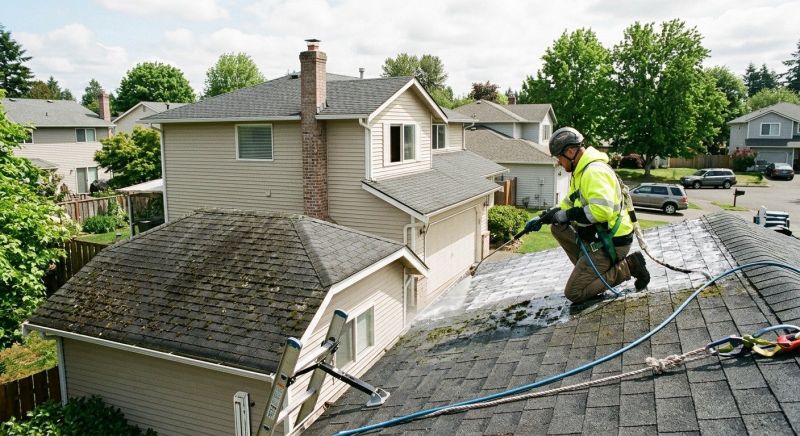
What is involved in rubber roof cleaning? The process typically includes removing debris, moss, and algae buildup to restore the roof’s appearance and prevent damage.
How often should a rubber roof be cleaned? Regular cleaning is recommended every 1 to 3 years, depending on local weather conditions and surrounding environment.
Are there any risks to cleaning a rubber roof? When performed properly, cleaning generally poses minimal risks, but using the right techniques helps avoid damage or leaks.
What types of projects may require rubber roof cleaning? Common projects include preparing for roof coating, addressing mold or moss growth, or maintaining overall roof longevity.
Request Rubber Roof Cleaning in Vancouver, WA
Use the quote form on this page to share the basics of your project and request more information for the type of work you need.